
Home / All / Integrated Low-Temperature Heating Modular Unit | Integrated Air Source Heat Pump-FAQ / What Are the Advantages of Modular Design?
What Are the Advantages of Modular Design?
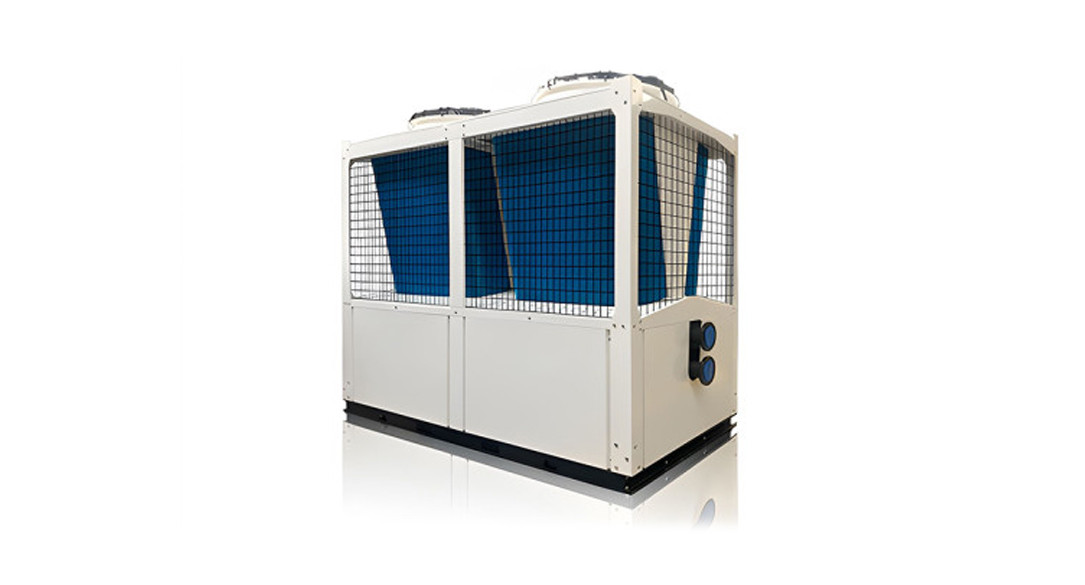
Modular design in Aurashu's Integrated Low-Temperature Heating Modular Units provides significant technical, operational, and economic advantages for commercial, industrial, and residential HVAC systems. The concept involves combining multiple standardized heating modules into a unified system, allowing capacity to be expanded, maintained, or optimized with exceptional flexibility.
One of the primary advantages is scalability. With a modular architecture, system capacity can be increased simply by adding additional modules, enabling phased investment and easier adaptation to future load growth. This is particularly beneficial for buildings that undergo renovation, occupancy changes, or operational expansion. Instead of replacing a full unit, Aurashu systems allow incremental upgrades while maintaining system continuity.
Another key strength is partial-load efficiency. In real-world applications, HVAC systems operate at part load most of the time. Modular systems dynamically adjust the number of active modules based on real-time demand, significantly reducing energy consumption. Aurashu’s intelligent control platform distributes load intelligently across all modules to maintain optimal COP, ensuring high energy efficiency even under fluctuating conditions.
Redundancy and reliability are also enhanced. With multiple modules running in parallel, the system can continue operating even if one module requires maintenance. This N+1 redundancy greatly reduces downtime, ensuring continuous heating in low-temperature climates where reliability is essential. Aurashu integrates self-diagnostic functions, fault isolation, and automatic performance balancing, further improving operational stability.
The design also provides installation and transportation advantages. Individual modules are compact, easier to transport, and can be placed in constrained mechanical spaces where single large units cannot fit. This makes Aurashu modular systems ideal for retrofits and decentralized heating applications in dense urban areas.
From a maintenance perspective, modular design simplifies service procedures. Each module can be isolated for inspection, cleaning, or repair without shutting down the entire system. Combined with Aurashu’s smart monitoring platform, technicians can identify anomalies, adjust parameters, or perform predictive maintenance based on real-time data.
Another key benefit is flexible system configuration. Modules can be arranged side-by-side, stacked, or distributed across zones depending on site layout and heating needs. In advanced applications, modules can serve independent heating circuits or operate in mixed modes—heating, cooling, and domestic hot water—based on building demand.
Finally, modular design supports high seasonal efficiency. Through digital control harmonization, heat exchanger optimization, and balanced load distribution, Aurashu systems improve performance under various climate conditions, especially in extremely cold regions where stable heat pump operation is critical.
In summary, Aurashu’s modular design enhances scalability, efficiency, reliability, flexibility, maintainability, and long-term operational value, making it a superior solution for modern HVAC engineering projects.
FAQs
- Integrated Water-Cooled Chiller | Compact Central HVAC Cooling Unit - FAQ
- Integrated Low-Temperature Heating Modular Unit | Integrated Air Source Heat Pump-FAQ
- Falling Film / Flooded Water-Cooled Chiller – FAQ
- Water-Cooled Centrifugal Chiller | High-Capacity HVAC Cooling System – FAQ
- Water-Cooled Screw Chiller | Central HVAC Cooling Solution – FAQ
- Screw Type Air-Cooled Chiller & Heat Pump Unit – FAQ
- Variable speed Scroll Air-CooledModular Units—FAQ
- Natural Cooling Air-Cooled Screw Chiller – FAQ
- Modular Air-Cooled Cold (Hot) Water Unit – FAQ
- Air-Cooled Chiller Unit – FAQ
- Air Filter FAQ
- Installation & After-sales
- Maintenance & Care
- Procurement & Order
- Product Performance & Advantages
- System Operation & Troubleshooting
- Technical Documents & Support
- Product Customization & Applications
Looking for a trusted HVAC manufacturer for your business needs?
We can quickly provide customers with market analysis, technical support and customized services.
Contact Person
