
How Often Should You Service Your HVAC System in 2026?
How Often Should You Service Your HVAC System in 2026?
Regular maintenance of HVAC systems is crucial for ensuring system efficiency, reliability, and long-term performance. As HVAC technology continues to evolve in 2026—with smarter systems, refrigerants with lower Global Warming Potential (GWP), and higher energy efficiency standards—maintenance requirements are also changing.
Many building owners and facility managers are asking the same question: How often should HVAC systems be maintained? The answer depends on the system type, usage, and operating environment.
This guide provides updated recommendations for HVAC system maintenance frequency in 2026, designed to help you optimize performance, reduce costs, and avoid unexpected breakdowns.
Why Regular HVAC Maintenance Matters
Proper maintenance is crucial for any HVAC system, especially in commercial applications where continuous operation is required.
The main benefits of regular maintenance include:
● Improved energy efficiency
● Reduced operating costs
● Extended equipment lifespan
● Improved indoor air quality
● Reduced risk of system failure
Studies show that well-maintained HVAC systems can reduce energy consumption by 10% to 30%, making maintenance a cost-effective investment.
Recommended HVAC Maintenance Frequency in 2026
Residential HVAC Systems
For residential systems, general recommendations include:
● Twice a year, maintenance is required.
● Spring: Inspect the cooling system.
● Autumn: Inspect the heating system.
This ensures the system is prepared for peak electricity usage periods.
Commercial HVAC Systems
Due to their high usage frequency, commercial systems typically require more frequent maintenance.
Recommended Maintenance Plan:
● Quarterly maintenance (every three months)
● Monthly inspection of critical components
Suitable for:
● Office buildings
● Retail centers
● Hotels
● Hospitals
Industrial and High-Load Systems
Suitable for facilities such as data centers, factories, or semiconductor plants:
● Monthly or continuous monitoring
● Preventative maintenance every 1-2 months
These environments have higher requirements for reliability and environmental control.
Key HVAC Maintenance Tasks
Routine Inspections
● Technicians typically check:
● System performance
● Airflow and duct condition
● Thermostat calibration
● Electrical connections
Filter Replacement
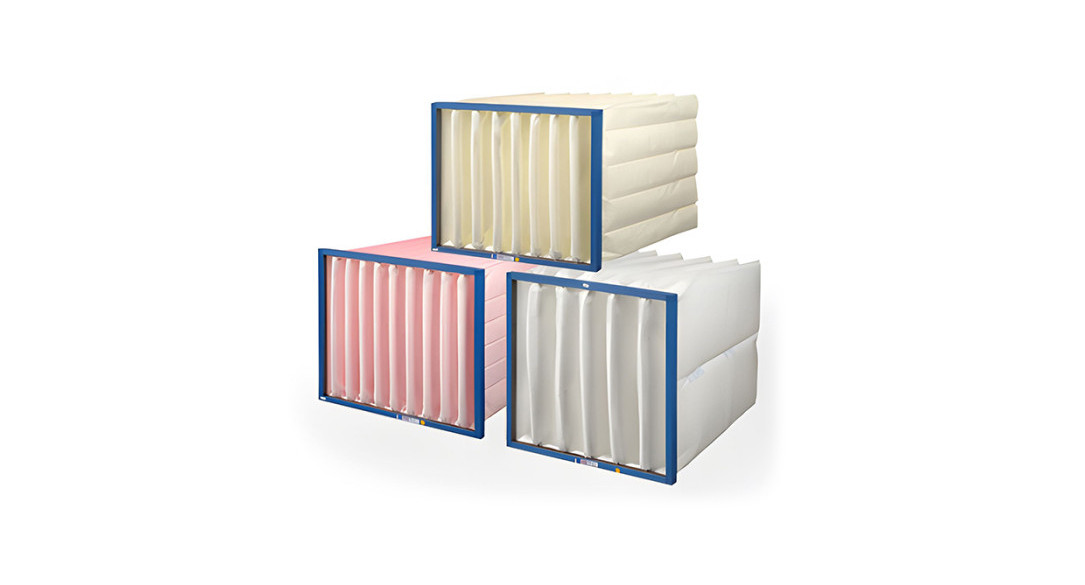
Air filters should be replaced as follows:
● Every 1-3 months (commercial locations: more frequently)
● A clean filter improves airflow and indoor air quality.
Coil Cleaning
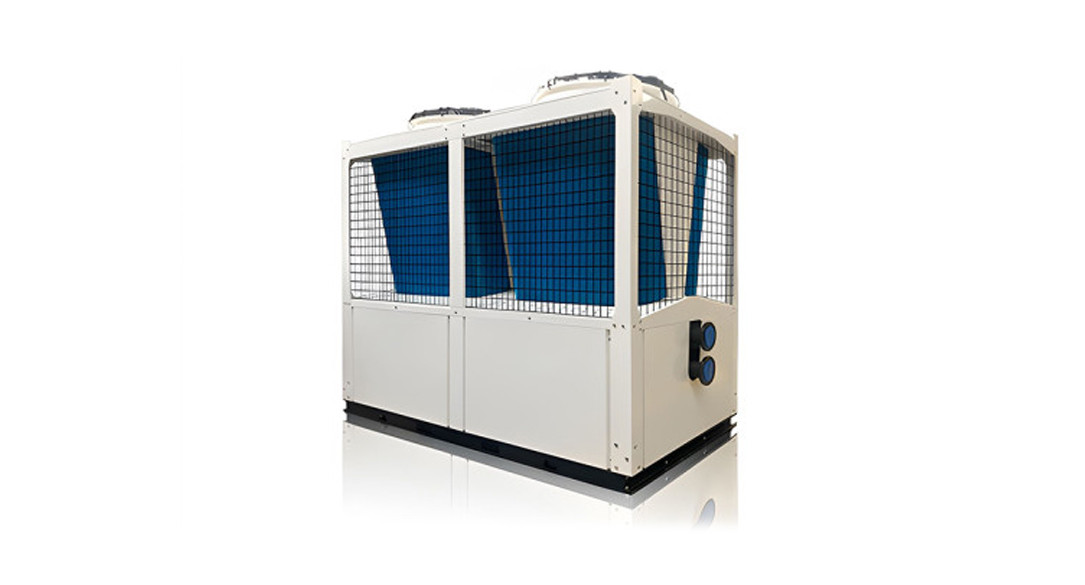
● Evaporator and condenser coils accumulate dirt over time, reducing efficiency.
● Recommended cleaning: every 6–12 months
Refrigerant Check
Proper refrigerant level is crucial for system performance.
Technicians will check:
● Leaks
● Pressure levels
● Compliance with low Global Warming Potential (GWP) refrigerant standards
System performance testing
Includes:
● Cooling/heating capacity testing
● Energy consumption analysis
● System optimization
New HVAC Maintenance Trends in 2026
Smart Predictive Maintenance
Modern HVAC systems are increasingly employing:
● Internet of Things (IoT) sensors
● AI-based diagnostic technologies
● Real-time monitoring systems
These technologies enable predictive maintenance, identifying problems before they lead to system failure.
Remote Monitoring and Automation
Facilities managers can now remotely monitor HVAC systems through:
● Cloud platforms
● Mobile applications
● Building Management Systems (BMS)
This reduces the need for manual inspections and improves response times.
Focus on Energy Efficiency
Maintenance in 2026 will not only focus on problem-solving, but more importantly, on performance optimization.
Technicians are currently prioritizing:
● Improving energy efficiency
● System tuning
● Reducing carbon emissions
Signs Your HVAC System Needs Immediate Service
Even with a maintenance plan in place, some warning signs require immediate attention:
● Unusual noise
● Weak airflow
● Unstable temperature
● Sudden increase in energy bills
● Frequent system start-ups/stops
Ignoring these signs can lead to high repair costs or system failure.
How to Optimize Your HVAC Maintenance Plan
To maximize the value of HVAC maintenance:
● Develop preventative maintenance plans
● Work with experienced HVAC professionals
● Utilize smart monitoring technologies
● Maintain detailed maintenance records
A comprehensive maintenance strategy ensures long-term system reliability and efficiency.
Conclusion
In 2026, due to increasing system complexity and energy efficiency requirements, the maintenance of heating, ventilation, and air conditioning (HVAC) systems is more critical than ever.
● Residential systems should be maintained twice a year.
● Commercial systems require quarterly maintenance.
● High-demand facilities may require monthly maintenance.
By following a structured maintenance plan and adopting modern technologies, building owners can reduce costs, improve performance, and extend the lifespan of their HVAC systems.