
How Much Does HVAC Installation Cost in 2026?
Installing a new HVAC system is a significant investment for both residential and commercial buildings. With rising energy efficiency standards, new refrigerant regulations, and advancements in smart HVAC technology, installation costs are expected to change rapidly by 2026.
Whether you are upgrading an existing system or planning a new project, understanding HVAC installation costs is crucial for budgeting and decision-making.
This guide details the average HVAC installation cost in 2026, key cost factors, and how to optimize your investment.
Average HVAC Installation Costs in 2026
HVAC installation costs vary depending on system type, building size, and project complexity.
Residential HVAC Installation Costs
Typical Price Range:
● Standard Systems: $5,000 – $12,000
● High-Efficiency or Smart Systems: $12,000 – Over $20,000
Common Systems Include:
● Split-Type Air Conditioning Systems
● Heat Pumps
● Ducted HVAC Systems
Commercial HVAC Installation Cost
Commercial systems are more complex and expensive.
Typical price range:
● Small commercial projects: $15,000 to over $50,000
● Large buildings: $50,000 to over $300,000
Examples:
● Office buildings
● Shopping malls
● Hotels
● Hospitals
Large projects, such as data centers or industrial facilities, can exceed $500,000 depending on system requirements.
Key Factors Affecting HVAC Installation Cost
1、System Types
Different HVAC systems have different costs:
● Central Air Conditioning Systems: Moderate cost
● Heat Pumps: Higher initial cost, but high energy efficiency
● VRF/VRV Systems: High cost, but flexible and efficient
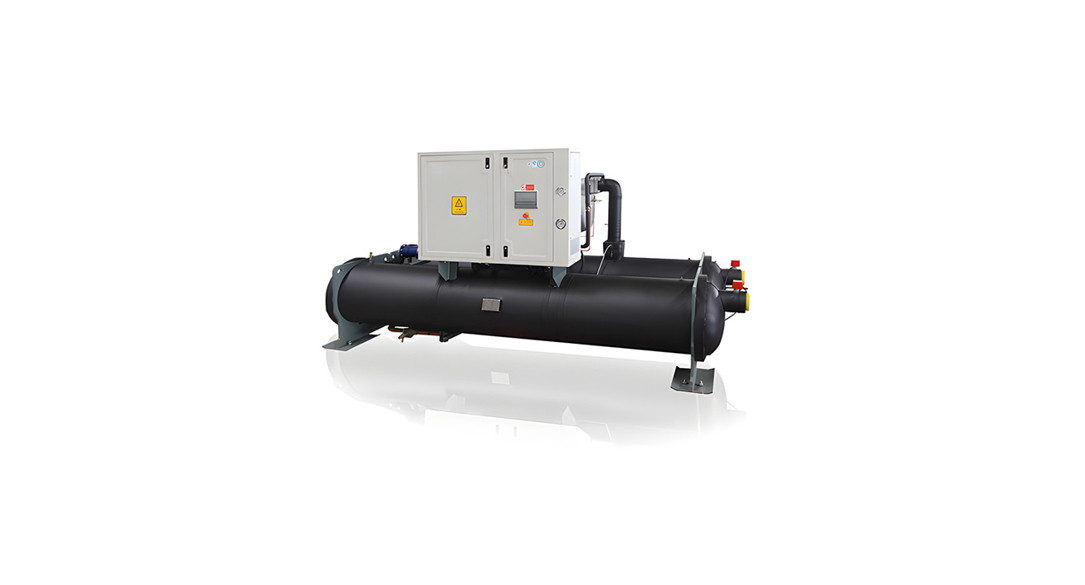
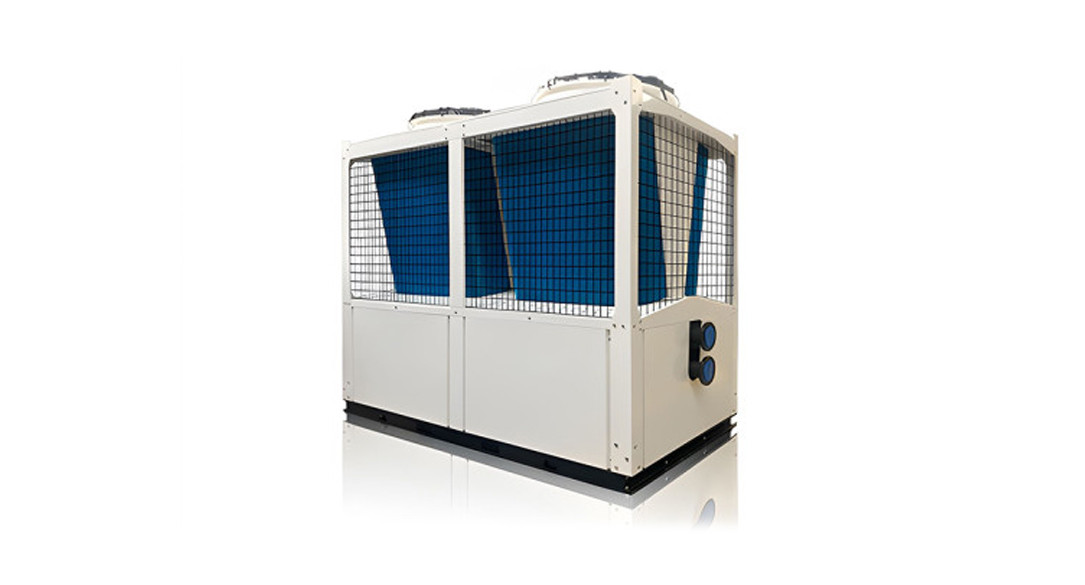
● Chiller Systems: Highest cost for large-scale commercial applications
2、Building Scale and Layout
Large buildings require:
● More powerful equipment
● Extensive piping systems
● Complex zone control systems
This will significantly increase installation costs.
3、Energy Efficiency Requirementstle
While high-efficiency energy-saving systems require a higher initial investment, they can reduce long-term energy costs.
Features that increase costs include:
● Variable frequency compressors
● Advanced heat exchangers
● Energy recovery systems
4、Refrigerant Type (Low-GWP Transition)
By 2026, many HVAC systems will transition to using refrigerants with low global warming potential, such as R32 and R454B.
These systems may face the following challenges:
● Higher equipment costs
● Additional safety requirements
● Updated installation standards
5、Installation Complexity
Costs increase if the project requires:
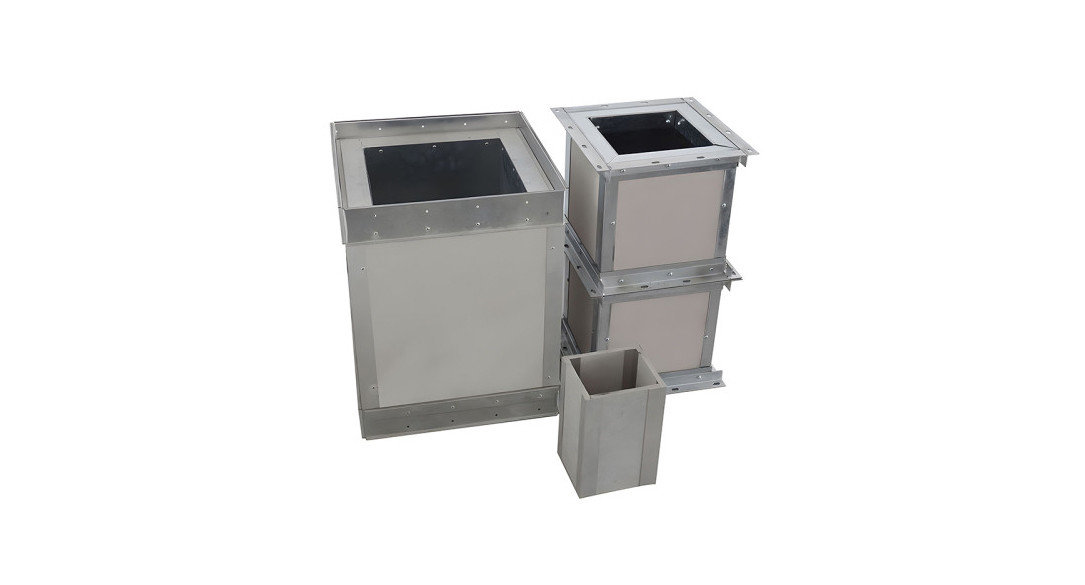
● ductwork installation or replacement
● structural modifications
● electrical upgrades
● integration with building management systems (BMS)
6、Labor Costs and Location
Labor costs vary depending on the region and project complexity.
In developed markets, labor costs can account for 30% to 50% of total installation costs.
Additional Costs to Consider
Ductwork Installation
● $2,000 – $10,000 depending on building size
Smart Controls and Automation
● $500 – $5,000+
Includes thermostats, sensors, and remote monitoring systems.
Maintenance and Service Plans
Annual maintenance costs:
● Residential: $150 – $500/year
● Commercial: $1,000 – $10,000+/year
How to Reduce HVAC Installation Costs
Choose the appropriate system capacity
An overly large system will increase installation and operating costs.
Proper load calculation ensures:
● Optimal performance
● Lower energy consumption
Invest in Energy Efficiency
Although energy-efficient systems require a higher initial investment, they offer the following benefits:
● Lower energy costs
● Faster return on investment
Partnering with professional HVAC suppliers
Experienced suppliers can:
● Optimize system design
● Reduce unnecessary costs
● Ensure compliance with relevant regulations
Plan for Long-Term Savings
Consider total lifecycle cost instead of just initial price.
Energy-efficient systems often provide better value over time.
HVAC Installation Trends in 2026
Intelligent HVAC System
More installation items now included:
● IoT devices
● Remote monitoring
● AI-based energy optimization
Sustainable HVAC Solutions
There is a growing demand for:
● Low-carbon systems
● Heat recovery technology
● Renewable energy integration
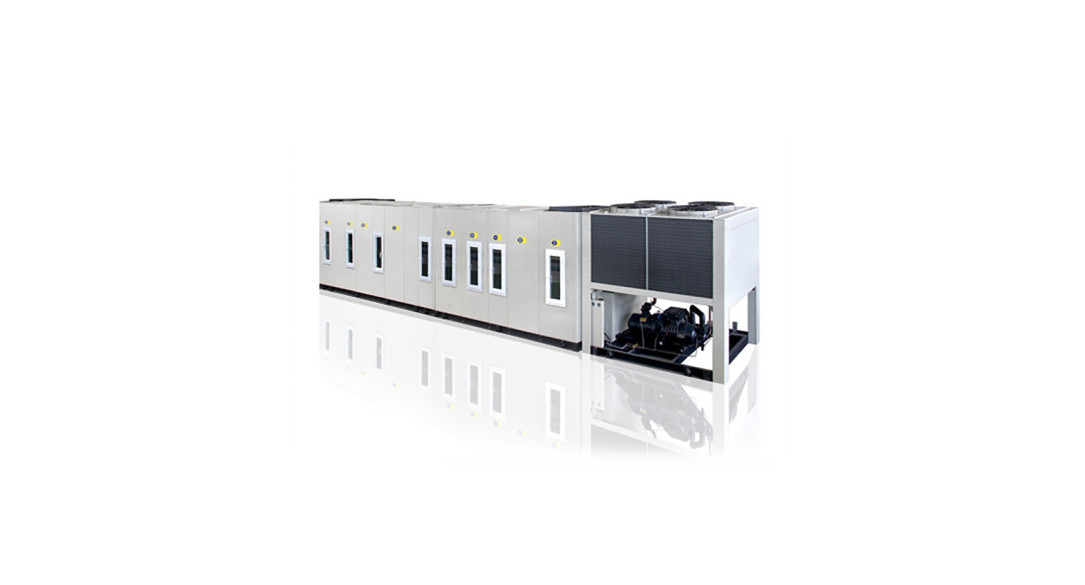
Modular and prefabricated systems
Prefabricated HVAC Systems:
● Shorten installation time
● Reduce labor costs
● Improve installation quality
Conclusion
The cost of HVAC installation in 2026 depends on a variety of factors, including system type, building size, energy efficiency requirements, and installation complexity.
● Residential systems typically cost between $5,000 and over $20,000.
● Commercial systems range from $15,000 to over $300,000.
While upfront costs may be higher due to advanced technologies and new refrigerant standards, investing in a modern HVAC system can deliver long-term energy savings, greater comfort, and improved sustainability.
For businesses and building owners, choosing the right HVAC solution is not just about cost, but also about efficiency, reliability, and future-proofing.