
How Long Do HVAC Systems Last? (Full Guide)
Heating, ventilation, and air conditioning (HVAC) systems are crucial for maintaining indoor comfort in residential, commercial, and industrial buildings. However, like all mechanical equipment, they have a limited lifespan.
Understanding the lifespan of HVAC systems helps building owners and facilities managers plan maintenance, upgrades, and replacements. It also helps optimize investments and avoid unexpected system failures.
In this guide, we will explore the average lifespan of HVAC systems, factors affecting their durability, and practical tips for extending system life.
Average Lifespan of HVAC Systems
The lifespan of an HVAC system depends on its type, usage, and maintenance level.
Air Conditioning
● Average lifespan: 10-15 years
● Premium systems: Up to 15-20 years
Heat Pumps
● Average lifespan: 10-15 years
● In temperate climates: Up to 15 years
Because heat pumps operate year-round (heating and cooling), their lifespan may be shorter than conventional systems.
Furnaces
● Gas furnaces: 15-20 years
● Electric furnaces: Up to 20-25 years
Commercial HVAC Systems
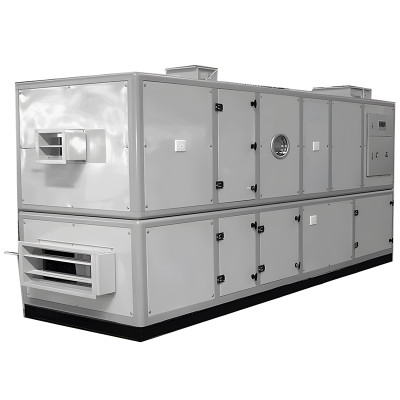
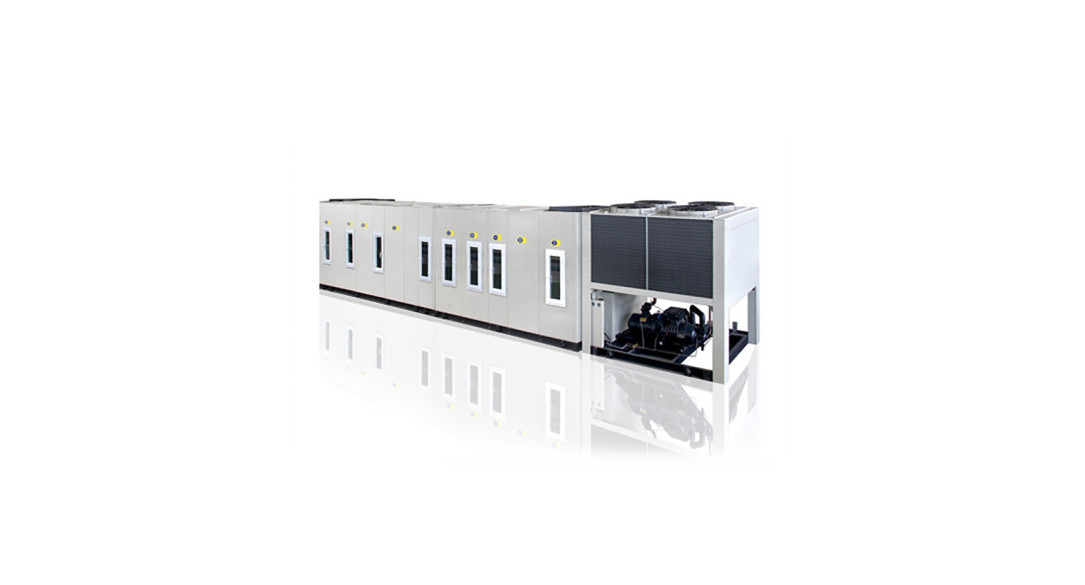
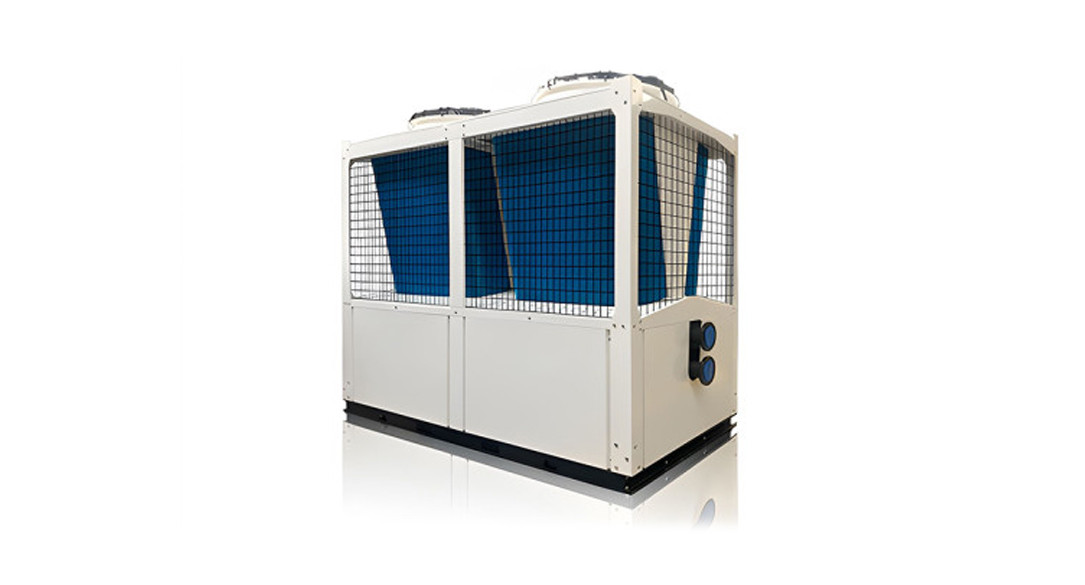
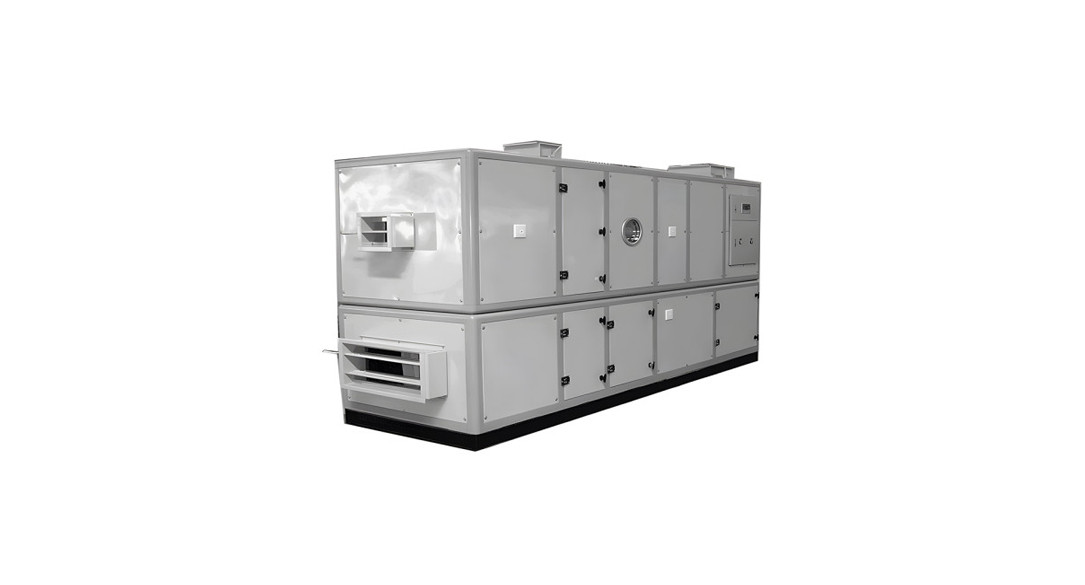
● Rooftop units (RTUs): 10-20 years
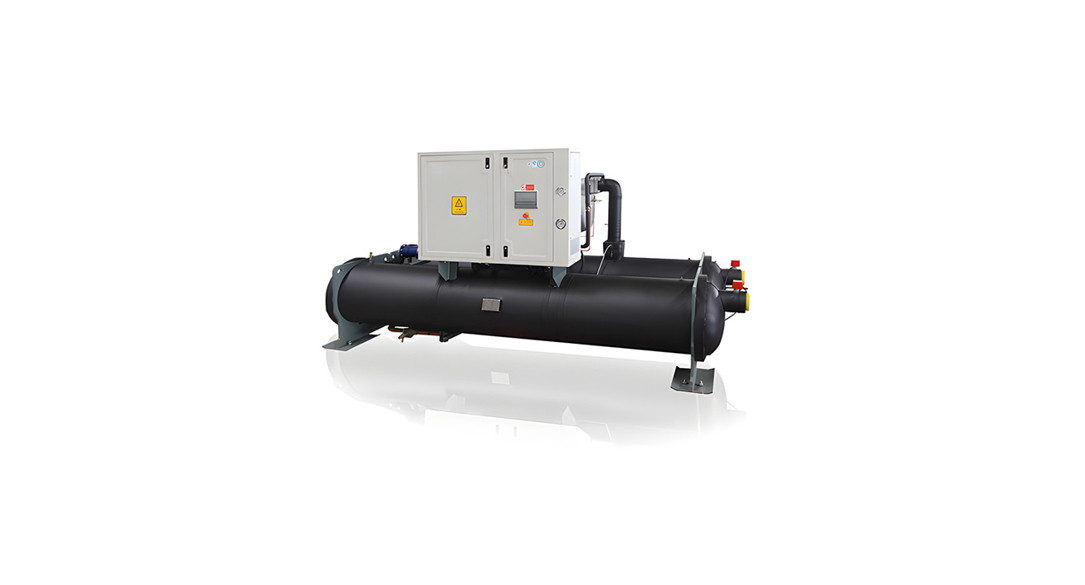
● Chillers: 15-25 years
● VRF systems: 15-20 years
Large commercial systems typically have longer lifespans due to their robust design and professional maintenance.
Key Factors Affecting HVAC Lifespan
1、Maintenance Frequency
Regular maintenance is the most important factor affecting system lifespan.
Well-maintained systems can have a lifespan 30% to 50% longer than poorly maintained systems.
2、System Quality
Higher-quality equipment from reputable manufacturers typically offers:
● better durability
● higher efficiency
● longer lifespan
3、Installation Quality
Improper installation can significantly shorten system lifespan.
Common issues include:
● Incorrect system size selection
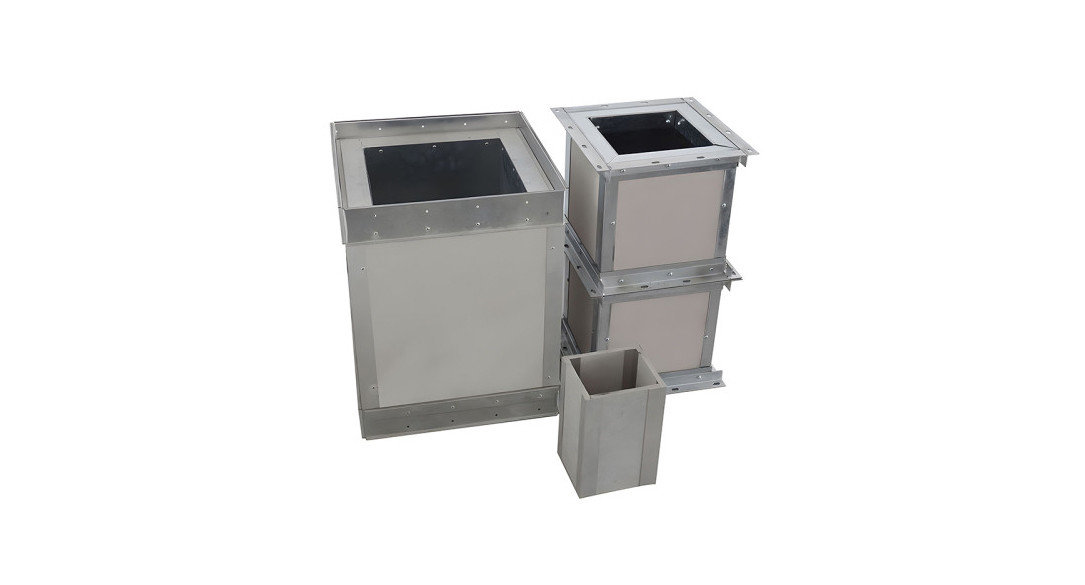
● Poor duct design
● Refrigerant imbalance
Professional installation is crucial for long-term performance.
4、Operating Conditions
Systems operating under harsh conditions may experience accelerated wear:
● Extreme climates
● High humidity environments
● Intensive use (24/7 operation)
5、Usage Patterns
Systems that are used continuously (such as commercial buildings and data centers) are more susceptible to wear and tear than residential systems.
Signs Your HVAC System Is Nearing the End of Its Life
Early detection of malfunctions helps avoid costly failures.
Common signs include:
● Frequent repairs
● Increasing energy bills
● Unstable temperature control
● Unusual noise or vibration
● Reduced airflow
If repair costs are frequent or exceed 30% to 50% of the replacement cost, an equipment upgrade may be necessary.
How to Extend the Lifespan of Your HVAC System
Regular Maintenance
● Schedule professional maintenance at least twice a year.
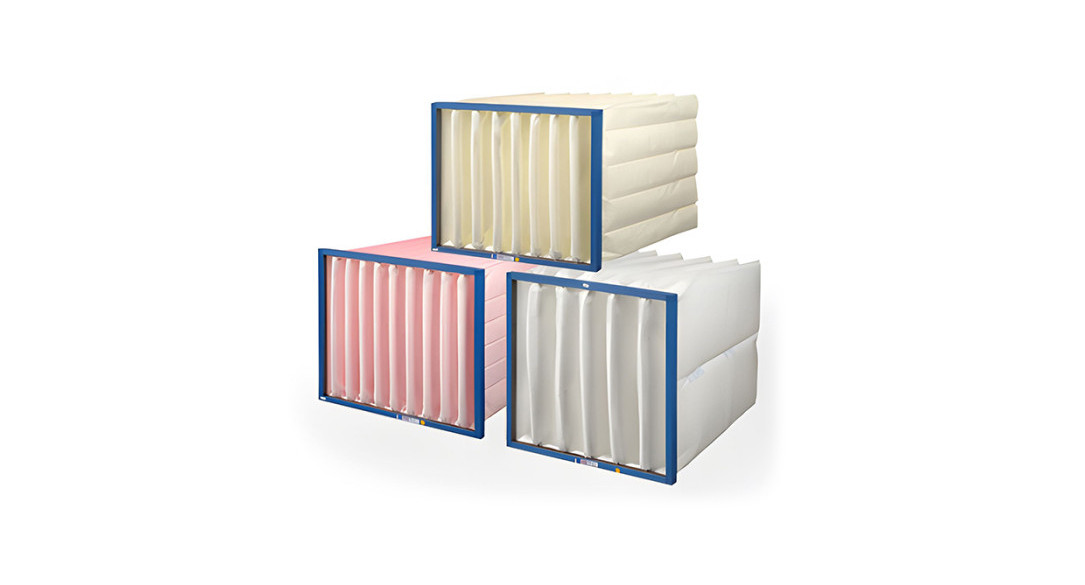
● Replace filters regularly.
● Clean coils and ducts.
Upgrade Components
Replacing critical components (such as compressors or fans) can extend system life without requiring complete replacement.
Use Smart Controls
Smart thermostats and building management systems (BMS) can:
● Optimize system operation
● Reduce unnecessary wear and tear
● Improve energy efficiency
Ensure Proper System Size
Systems that are too large or too small can lead to:
● Frequent starts
● Increased wear and tear
● Shortened lifespan
When Should You Replace Your HVAC System?
Replacement should be considered in the following situations:
● System lifespan exceeds expected lifespan
● Energy efficiency significantly declines
● Maintenance costs are too high
● New technologies offer better performance
Modern HVAC systems using low Global Warming Potential (GWP) refrigerants and energy-efficient designs have greater long-term value.
HVAC Lifespan Trends in 2026
Smarter Systems
Artificial intelligence and Internet of Things technologies are improving system monitoring and maintenance, thereby helping to extend system lifespan.
Energy-Efficient Designs
The new system aims to:
● reduce energy consumption
● improve operational efficiency
● reduce long-term wear and tear
Sustainability and Regulations
With increasingly stringent environmental regulations, new systems are designed to:
● use environmentally friendly refrigerants
● achieve higher energy efficiency standards
● have a longer service life with proper maintenance
Conclusion
The lifespan of HVAC systems varies depending on type, usage, and maintenance, but most systems last between 10 and 25 years.
To maximize system lifespan:
● Invest in high-quality equipment
● Ensure proper installation
● Follow a regular maintenance schedule
● Adopt smart HVAC technologies
Understanding the lifespan of HVAC systems is key for building owners and businesses to make more informed investment decisions and ensure long-term comfort and efficiency.