
Heat Recovery Chiller vs Traditional Chiller: Which Is Better for Commercial Buildings?
In modern commercial buildings, chillers play a crucial role in maintaining indoor comfort by providing efficient cooling. However, with rising energy costs and increasing emphasis on sustainability, building owners and HVAC engineers are increasingly opting for heat recovery chillers as an alternative to traditional chillers.
While both systems are designed to provide cooling, they differ significantly in energy utilization and efficiency. Choosing the right system impacts not only operating costs but also long-term environmental performance.
This article provides a detailed comparison of heat recovery chillers and traditional chillers to help you determine which option is best suited for your commercial HVAC system.
What Is a Traditional Chiller?
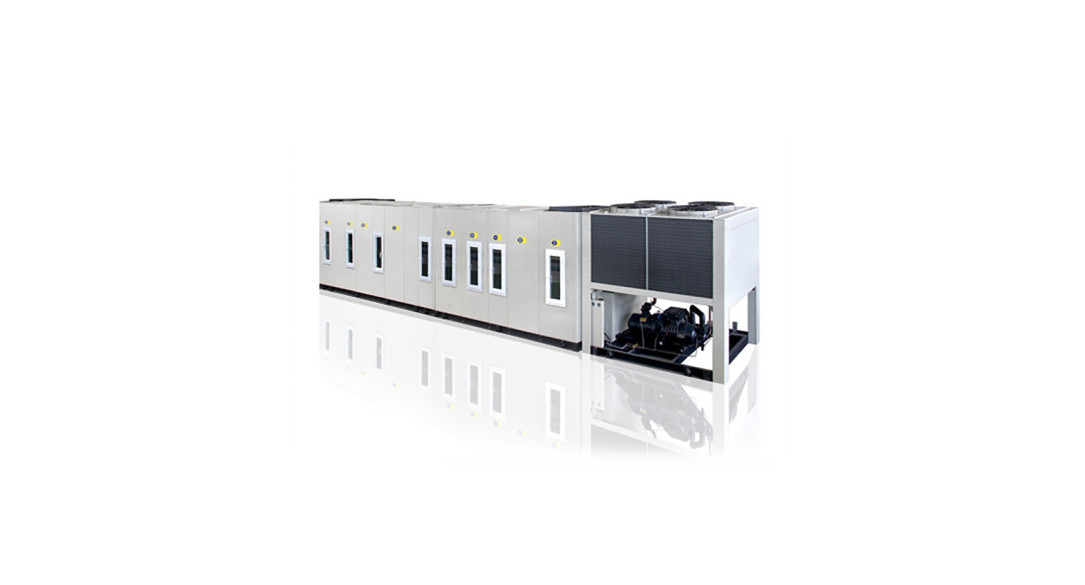
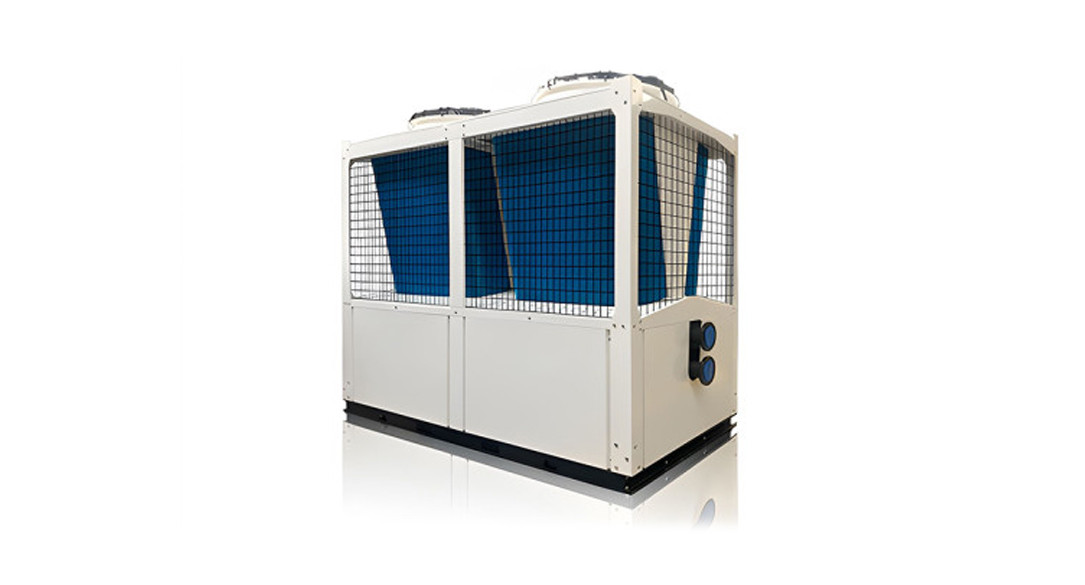
A traditional chiller is designed to remove heat from a building and reject it to the environment.
How It Works
Traditional chillers operate by:
1、Absorbing heat from indoor spaces through chilled water
2、Transferring heat to a refrigerant
3、Rejecting that heat through condensers (air-cooled or water-cooled)
In this process, the heat extracted from the building is wasted, typically released into the outdoor air or cooling tower.
Key Characteristics
Provides cooling only.
● Heat is dissipated and not recycled.
● Mature and widely used technology.
● Low initial investment cost.
Traditional chiller units are typically used in:
● Office buildings
● Shopping malls
● Hotels
● Hospitals
What Is a Heat Recovery Chiller?
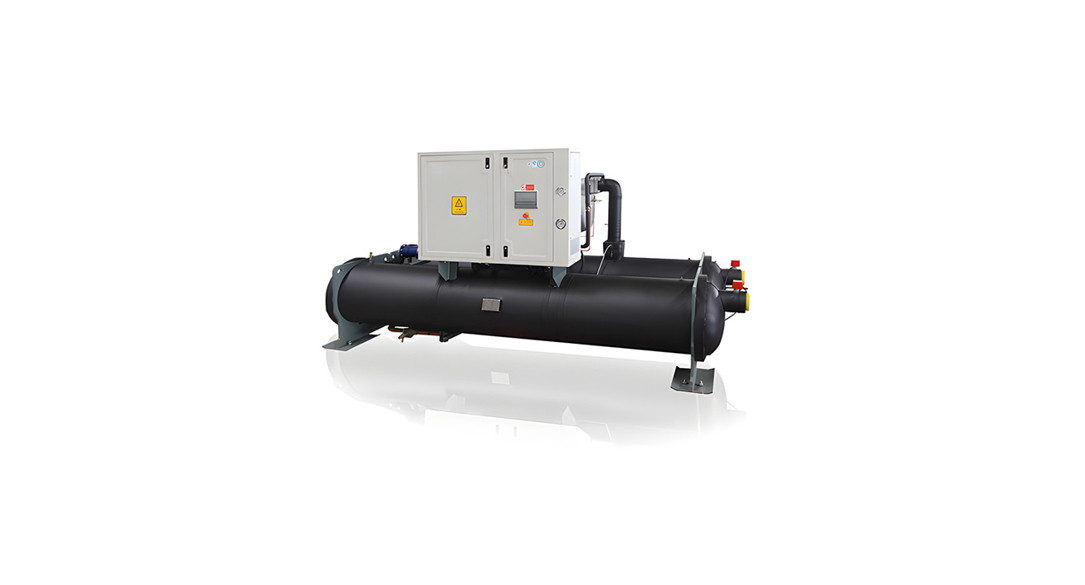
A heat recovery chiller is an advanced system that not only provides cooling but also captures and reuses waste heat.
How It Works
Unlike traditional chillers that directly release condenser heat into the environment, heat recovery chillers:
1、Capture waste heat generated during the cooling process
2、Transfers it to a heat exchanger
3、Reuses it for heating applications
Typical Applications
Recovered heat can be used for:
● Domestic hot water
● Space heating
● Swimming pool heating
● Industrial process heating
This allows buildings to simultaneously generate cooling and heating, significantly improving energy efficiency.
Key Differences Between Heat Recovery Chillers and Traditional Chillers
1、Energy Efficiency
Heat recovery chillers are significantly more energy efficient because they recover and reuse energy that would otherwise be wasted.
● Traditional chillers: Energy is used only once.
● Heat recovery chillers: Energy is reused (cooling + heating).
In some cases, overall system efficiency can be improved by 30% to 50%.
2、Operating Cost
Heat recovery chillers can significantly reduce operating costs by minimizing the need for the following equipment:
● Boiler
● Electric heater
● Gas consumption
Although the initial investment is higher, the payback period is typically 2-5 years.
3、Environmental Impact
Heat recovery chillers reduce carbon emissions by:
● reducing energy consumption
● reducing reliance on fossil fuel heating systems
therefore, they are ideally suited for buildings designed to meet:
● green building standards
● ESG (Environmental, Social, and Governance) goals
● carbon neutrality goals
4、System Complexity
Traditional chiller units have a simpler structure:
● Easier installation
● Easier maintenance
Heat recovery chiller units:
● Require more advanced system design
● Require additional heat exchangers and control devices
● Require appropriate integration with heating systems
5、Application Scenarios
Traditional chillers are better suited for:
● Buildings requiring only cooling
● Projects with limited budgets
● Simple HVAC systems
Heat recovery chillers are better suited for:
● Buildings requiring both heating and cooling
● Hotels and hospitals (high hot water demand)
● Data centers with heat recovery capabilities
● Large commercial complexes
When Should You Choose a Heat Recovery Chiller?
Heat recovery chillers are the optimal choice in the following situations:
● Your building requires simultaneous cooling and heating
● Energy efficiency is a primary consideration
● Long-term operating cost savings are crucial
● Sustainability or carbon reduction targets have been established
● In these cases, the system can significantly save energy and costs over time.
When Is a Traditional Chiller Still a Good Option?
Despite the numerous advantages of heat recovery systems, conventional chillers remain a viable option in the following situations:
● Limited initial budget
● Extremely low heating demand
● Simple system structure is preferred
● Limitations exist for retrofitting
In these situations, conventional chillers can still provide reliable and cost-effective cooling performance.
Future Trends in Chiller Technology
The HVAC industry is rapidly transitioning to more sustainable solutions. Future chiller technologies are expected to include:
● Integration with heat pumps
● AI-based energy optimization
● Low Global Warming Potential (GWP) refrigerants
● Smart building energy management systems
Heat recovery chillers are poised to play a key role in next-generation low-carbon HVAC systems.
Conclusion
Both heat recovery chillers and traditional chillers have their advantages, and the right choice depends on your building’s specific needs.
● If your priority is low upfront cost and simplicity, a traditional chiller may be sufficient.
● If your goal is energy efficiency, sustainability, and long-term savings, a heat recovery chiller is the better investment.
For modern commercial buildings aiming to reduce energy consumption and carbon emissions, heat recovery chillers represent a powerful and future-ready HVAC solution.