
Fluid Dynamics And Design Behind Water Cooled Chillers
Fluid Dynamics and Design Behind Water-Cooled Chillers
Water-cooled chillers remain one of the most efficient and reliable cooling solutions for large buildings, manufacturing plants, hospitals, and data centers. Their superior performance is not only due to advanced compressors and control systems, but also to the fluid dynamics and engineering design required for effective heat transfer. Understanding these principles helps facility managers, engineers, and HVAC professionals optimize chiller performance and reduce operating costs.
This article will delve into the fundamental fluid dynamics and design principles that enable water-cooled chillers to operate efficiently.
1. Fluid Dynamics: The Foundation of Efficient Cooling
Fluid dynamics determine how water and refrigerants flow in a refrigeration system. Efficient flow ensures maximum heat absorption, stable operation, and minimal energy waste.
1) Laminar Flow and Turbulent Flow
Inside evaporators and condensers, water must reach a turbulent state to enhance heat transfer.
● Laminar flow: Smooth flow, low heat transfer efficiency
● Turbulent flow: Creates mixing, increasing the heat transfer rate
Designers determine the optimal Reynolds number based on parameters such as pipe diameter, pump, and flow rate to ensure the fluid is in a turbulent state.
2) Pressure Drop Considerations
Excessive pressure drop in pipes or heat exchangers increases pump energy consumption. A proper design requires balancing the following factors:
● Pipe diameter
● Flow rate
● Piping geometry
● Pump selection
Goal: To achieve efficient cooling without wasting electricity.
3) Optimized Refrigerant Velocity
It is essential to maintain a stable refrigerant flow rate to ensure:
● Efficient heat absorption
● Adequate compressor lubrication
● Prevention of liquid slugging
Modern refrigeration units utilize electronic expansion valves and advanced control systems to maintain the ideal refrigerant flow rate.
3. Water Flow Management and Cooling Tower Integration
Water-cooled chillers rely on a cooling tower loop to discharge absorbed heat.
1) Stable Water Temperature
The performance of a chiller unit is highly sensitive to the condenser entering water temperature (ECWT).
The optimal condenser entering water temperature ensures:
● Reduced compressor load
● Improved energy efficiency ratio (COP)
● Reduced energy consumption
2) Pump Sizing and Flow Balancing
A well-designed pump system can prevent the following problems:
● Insufficient flow rate (low heat transfer efficiency)
● Excessive flow rate (high energy consumption)
Flow balancing valves, variable frequency pumps, and intelligent control systems help maintain ideal operating conditions.
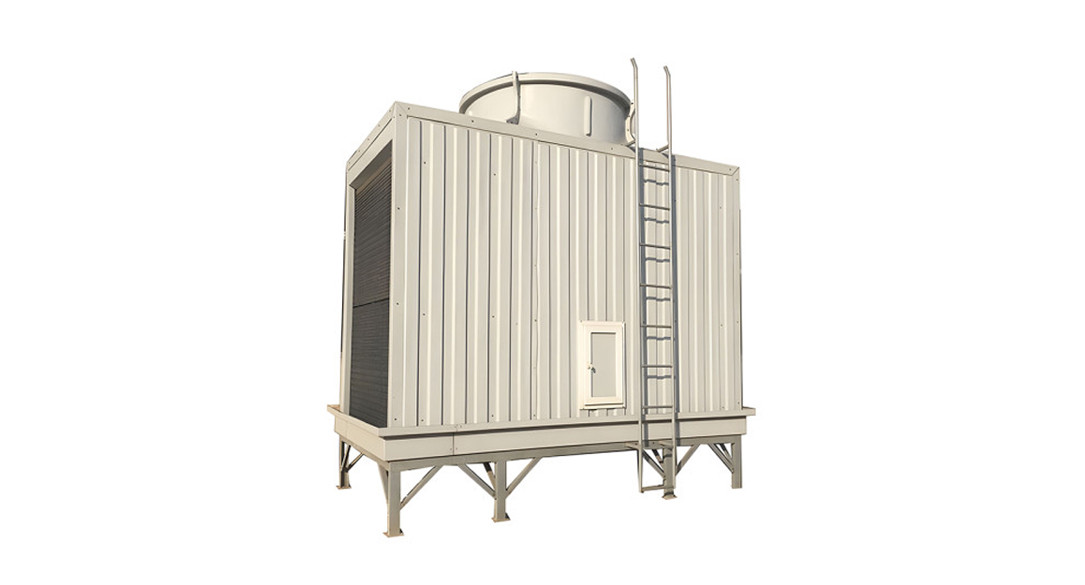
3) Cooling Tower Dynamics
The operation of a cooling tower affects the efficiency of the chiller through the following factors:
● Airflow pattern
● Water droplet distribution
● Packing design
● Evaporation rate
Good cooling tower performance can lower the condenser water temperature, thereby increasing the cooling capacity of the chiller.
4. Compressor and Refrigerant Circuit Optimization
While screw, centrifugal, and scroll compressors differ, all benefit from optimal fluid dynamics.
1) Smooth Refrigerant Flow Path
The refrigerant circuit design avoids the following problems:
● Sudden pressure drops
● Liquid accumulation
● Localized overheating of the system
Efficient piping layout reduces energy consumption and enhances thermal stability.
2) Lubrication and Oil Management
Proper oil circulation helps extend the lifespan of the compressor.
Modern chiller units utilize the following technologies:
● Oil separator
● Differential pressure oil return system
● Oil-free magnetic levitation compressor (used in high-end models)
Proper oil management prevents contamination of the refrigerant circulation system.
5. System Architecture and Thermal Efficiency
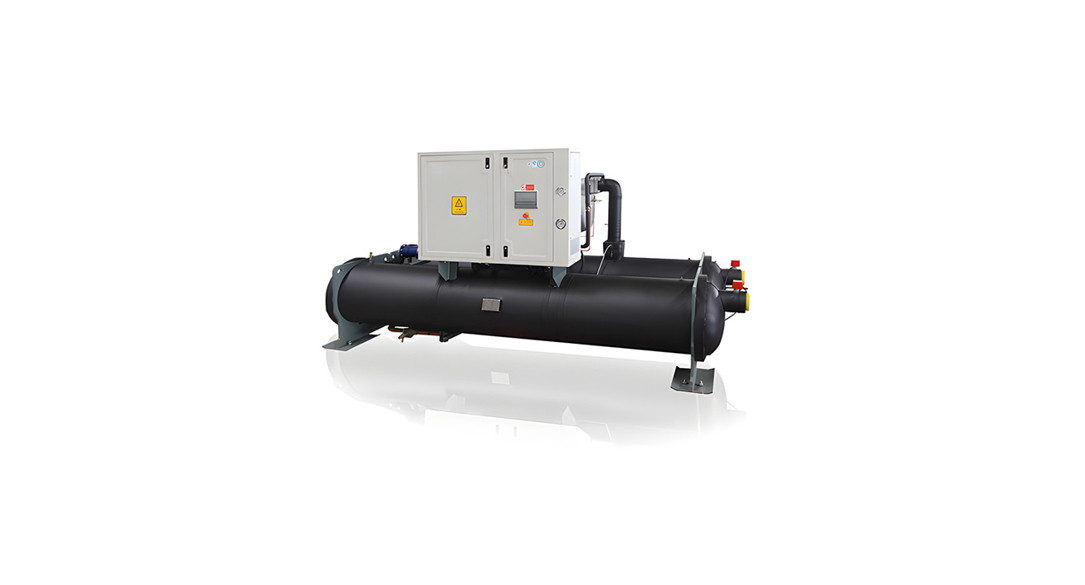
The overall architecture of a water-cooled chiller also influences its fluid dynamics and energy performance.
Key building components:
● Efficient pipe layout
● Insulated chilled water circuit
● Low temperature difference heat exchanger design
● Intelligent control system for regulating flow and temperature
Integrated system to maximize overall energy efficiency ratio (EER) and minimize operating costs.
Conclusion
The fluid dynamics and engineering design of water-cooled chiller units are crucial to their performance. From turbulent water flow and optimized refrigerant circuits to efficient heat exchanger structures and cooling tower integration, each component plays a key role in the system's reliability and energy-efficient operation.
For industrial and commercial facilities seeking high-capacity, long-term cooling solutions, understanding these design principles helps maximize system efficiency and ensure optimal performance year-round.