
Detailed Explanation of Water-Cooled Chiller Systems: Advantages, Applications, and Maintenance Techniques
Water-cooled chillers are widely recognized as one of the most efficient and reliable cooling technologies for large-scale commercial and industrial applications. They provide stable cooling performance even under harsh environmental conditions, making them the preferred choice for facilities requiring precise temperature control and 24/7 operation.
This article will detail the definition, operating principles, key advantages, wide applications, and basic maintenance required to maintain optimal performance of water-cooled chillers.
What Is a Water-Cooled Chiller System?
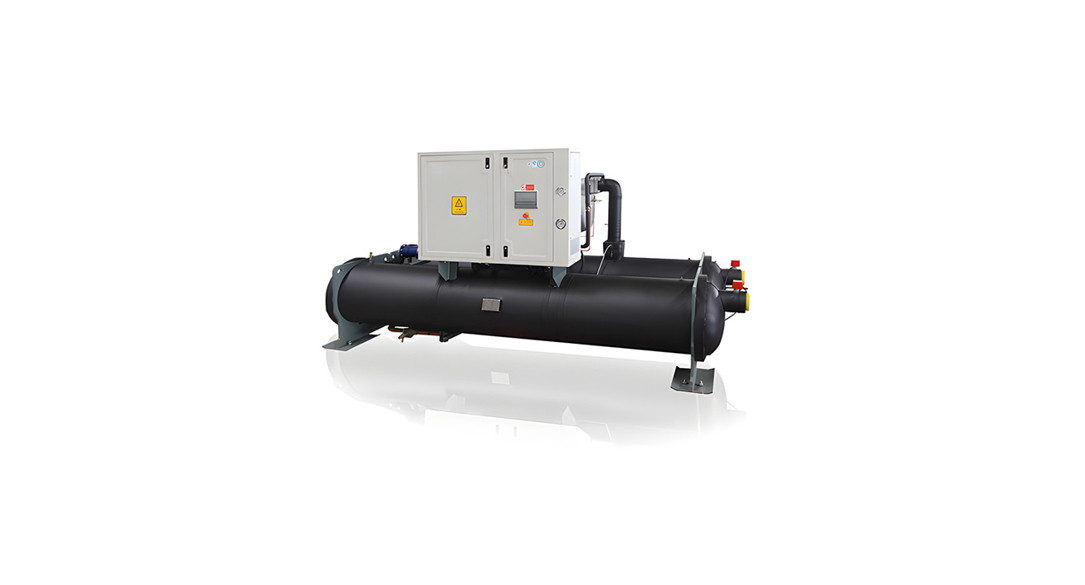
A water-cooled chiller is a refrigeration system that absorbs heat from a process flow or building and transfers it to water, which is then cooled by a cooling tower. Compared to air-cooled chillers, water-cooled systems are more efficient, quieter, and better suited for large-capacity industrial applications.
Key components include:
Compressor – drives the refrigeration cycle
Evaporator – absorbs heat from chilled water
Condenser – transfers heat to the condensate
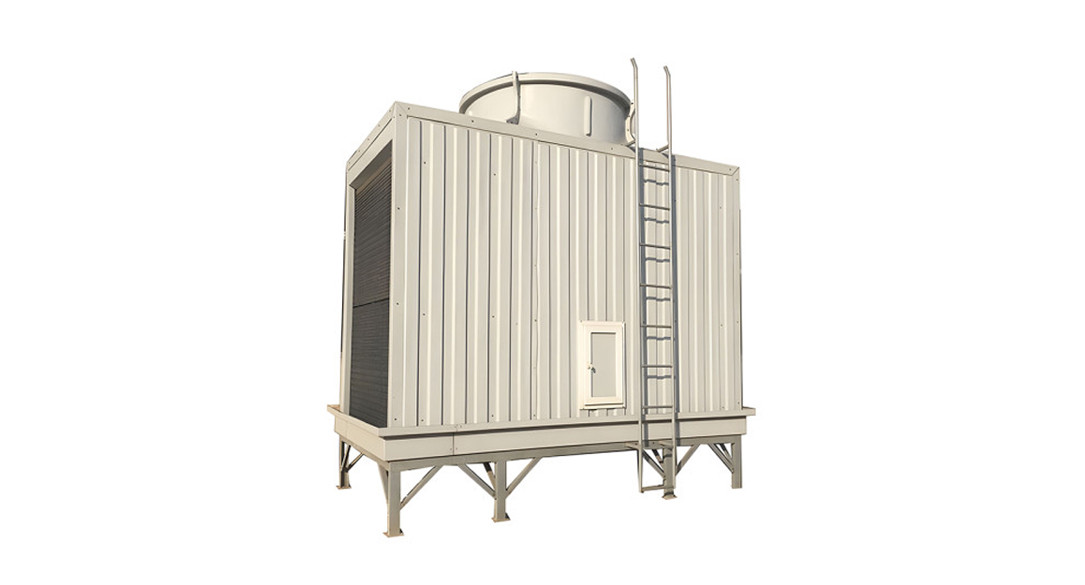
Cooling tower – releases heat into the atmosphere
Chiller and condensate pumps – circulate water within the system
These components work together to provide stable and energy-efficient cooling for critical operations.
How Water-Cooled Chiller Systems Work
Although designs may vary, most systems follow the same thermodynamic cycle:
1. Heat Absorption
Warm process water or chilled water from the building enters the evaporator. The refrigerant inside absorbs heat and evaporates.
2. Compression
The gaseous refrigerant is compressed by the compressor, increasing its temperature and pressure.
3. Heat Dissipation
The hot refrigerant flows through the condenser, releasing heat to the condensate.
4. Cooling Tower Cooling
The heated condensate is pumped into a cooling tower, dissipating heat through evaporation. The cooled water returns to the condenser.
5. Refrigerant Expansion
The refrigerant flows through an expansion valve, rapidly cooling, and the cycle begins again.
This efficient cycle makes water-cooled chillers ideal for heavy-duty applications.
Advantages of Water-Cooled Chiller Systems
Water-cooled chillers offer numerous performance and operational advantages, making them the preferred solution for industrial environments.
1. High Energy Efficiency
Because water is an excellent heat transfer medium, water-cooled chillers have lower condensing temperatures, therefore:
● lower energy consumption
● greater cooling capacity
● significant energy savings in the long run
they are particularly suitable for large facilities with high and continuous cooling loads.
2. Stable Operation in Hot or Humid Climates
Outdoor temperature does not directly affect system performance. The cooling tower enables the chiller unit to maintain stable cooling even under the following conditions:
● High humidity
● High ambient temperature
● High-temperature industrial environments
This makes water-cooled chillers more reliable than air-cooled units in tropical regions.
3. Longer Equipment Lifespan
Water-cooled chillers are typically installed indoors, thus avoiding:
● UV radiation
● Rainwater erosion
● Dust and debris
● Corrosive outdoor environments
This helps reduce structural aging and minimizes the occurrence of failures.
4. Quiet Operation
Because the heat dissipation process takes place within the cooling tower, rather than within the chiller unit, noise levels are significantly reduced.
Suitable Locations:
● Hospitals
● Research Laboratories
● Hotels
High-end Commercial Buildings
5. Cost-Effectiveness in Large-Scale Applications
While initial installation costs may be higher, water-cooled chillers typically have the lowest total cost of ownership for the following reasons:
● Lower energy consumption
● Longer service life
● Lower long-term maintenance costs
These economic advantages are particularly significant for industries requiring uninterrupted operation.
Common Applications of Water-Cooled Chiller Systems
Water-cooled chillers are used across a wide range of industries requiring precise and continuous cooling.
1. Manufacturing and Industrial Production
Including industries such as plastics, metal processing, chemicals, pharmaceuticals, and printing.
2. Commercial HVAC Systems
Suitable for large office buildings, shopping malls, airport terminals, and skyscrapers.
3. Data Centers
Providing a low-temperature environment for server rooms and IT equipment.
4. Food and Beverage Industry
Providing cooling for food processing, fermentation, storage, and packaging processes.
5. Medical Institutions
Used for MRI scanners, tumor treatment equipment, and laboratory environments.
6. Power Generation
Used to cool turbines, generators, and auxiliary equipment.
They can withstand enormous cooling loads, making them indispensable in mission-critical environments.
Essential Maintenance Techniques
Proper maintenance is key to extending the lifespan and performance of water-cooled chillers.
1. Regular Piping Cleaning
Scale and deposit buildup reduces heat transfer efficiency. Regular cleaning ensures optimal performance.
2. Cooling Tower Water Treatment
Proper water chemistry prevents:
● Scale
● Corrosion
● Biological growth (e.g., algae, bacteria)
A complete water treatment system is essential.
3. Refrigerant Level Monitoring
Low refrigerant levels indicate leaks and reduce cooling capacity. Regular checks ensure system integrity.
4. Lubrication and Vibration Monitoring
Compressor bearings and mechanical components require lubrication and vibration monitoring to prevent premature wear.
5. Pump and Valve Inspection
Ensure all pumps, valves, and filters are functioning properly to maintain a stable water flow.
6. Electrical Component Monitoring
Check the following:
● Loose wiring
● Overheating
● Sensor malfunction
● Controller damage
Electrical faults often lead to unexpected shutdowns.
7. Cooling Tower Maintenance
Cooling towers must be maintained regularly, including:
● Cleaning the packing
● Inspecting the demister
● Inspecting the fan motor
● Removing debris from the water tank
Effective cooling tower maintenance directly improves chiller unit efficiency.
Conclusion
Water-cooled chiller systems offer superior performance for industrial and commercial applications. Their high efficiency, reliability under high loads, quiet operation, and long service life make them ideal for large facilities requiring continuous cooling.
By understanding their operating principles, advantages, and necessary maintenance techniques, facility managers and engineers can ensure optimal performance and extend equipment life.
Aurashu offers advanced water-cooled chiller solutions designed for harsh environments. Our systems integrate high-efficiency components, durable materials, and intelligent control systems to provide reliable and cost-effective cooling solutions for modern industrial facilities.