
Benefits of Installing a Water Cooled Chiller System for Industrial Cooling
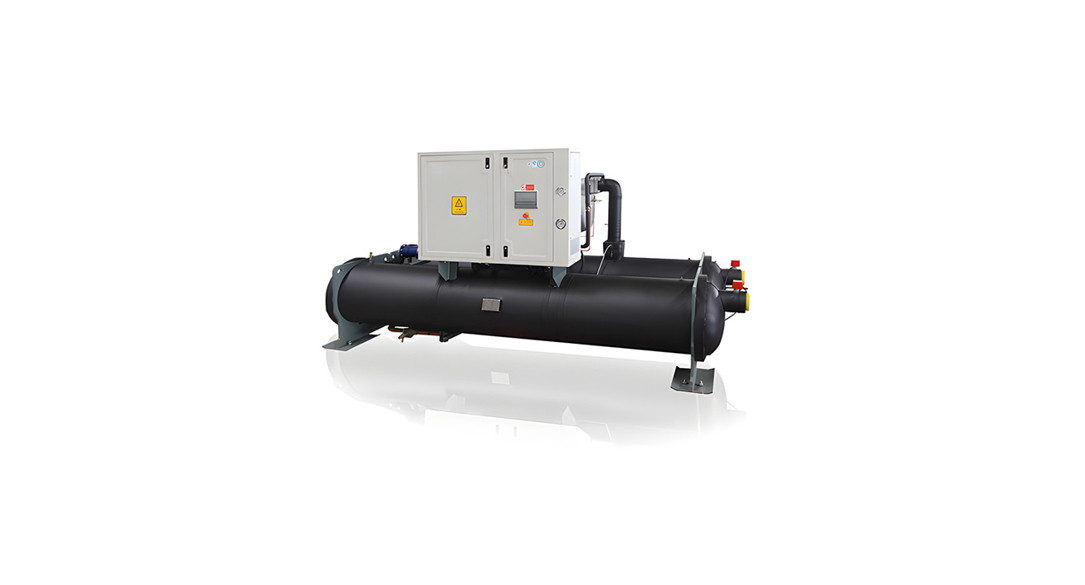
In industrial facilities, maintaining stable process temperatures is crucial for improving production efficiency, extending equipment lifespan, and enhancing energy efficiency. Among all cooling technologies available today, water-cooled chillers are considered one of the most reliable and efficient solutions for large-scale industrial cooling. They provide stable performance even under high loads, making them ideal for manufacturing plants, chemical processing plants, food production plants, data centers, and commercial complexes.
This article will explore the key advantages of installing water-cooled chillers and why many industrial users prefer this technology over air-cooled solutions.
1. Superior Energy Efficiency
One of the most significant advantages of water-cooled chillers is their superior energy efficiency.
The reasons for their higher efficiency are:
● Water absorbs heat more efficiently than air.
● The condenser operates at a lower condensing temperature.
● Even in hot climates, the system maintains stable thermal performance.
This directly translates to lower energy consumption, lower operating costs, and greater sustainability—especially important for facilities operating around the clock.
2. Reliable Performance in Heavy-Duty Industrial Environments
Unlike air-cooled chillers, which may struggle to operate in high-temperature environments, water-cooled chillers maintain stable cooling capacity regardless of outdoor conditions.
Key performance advantages:
● Stable operation in harsh industrial environments
● High cooling capacity, suitable for continuous production
● Smaller performance fluctuations during peak periods
Industries requiring precise temperature control, such as pharmaceuticals, plastics processing, and electronics manufacturing, will significantly benefit from this stability.
3. Longer Equipment Lifespan
Because water-cooled chillers are typically installed indoors and operate at lower pressures, their lifespan is generally longer than that of air-cooled chillers.
Factors contributing to this extended lifespan include:
● Less exposure to outdoor pollutants
● Reduced thermal stress on components
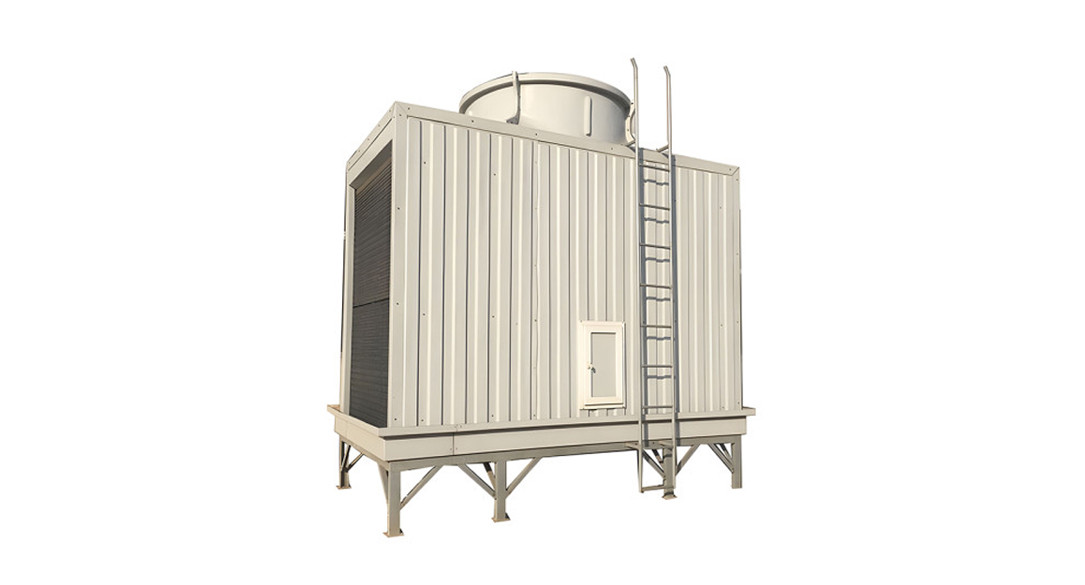
● Efficient heat dissipation from the cooling tower
These factors reduce system failures, lower maintenance costs, and extend the investment protection period.
4. Lower Noise Levels
Noise reduction is a crucial consideration for many industrial facilities. Water-cooled chillers operate with lower noise levels because heat dissipation occurs within the cooling tower, not the unit itself.
Advantages:
● Extremely low noise pollution in production areas
● Improved working environment
● Better compliance with local noise regulations
Therefore, water-cooled chillers are ideal for indoor installations or noise-sensitive environments such as hospitals and laboratories.
5. Small footprint and flexible installation
Water-cooled chillers are installed indoors, requiring less outdoor space than air-cooled units, making them ideal for locations with limited outdoor space.
Installation advantages:
● Compact machine room layout
● Can be installed in basements or equipment floors
● Provides more flexible layout options for new and renovation projects
Industrial plants can benefit from optimized use of space for operating equipment.
6. Long-Term Cost Savings
While the initial investment in water-cooled chillers and cooling towers is higher, their total cost of ownership (TCO) is typically lower due to the following reasons:
● Reduced energy consumption
● Extended system lifespan
● Reduced component replacement frequency
● Lower maintenance costs per ton of cooling
For large industrial facilities, these long-term cost savings are substantial and can typically offset the initial investment within a few years.
7. Enhanced Sustainability and Environmental Benefits
Modern water-cooled chillers support greener operations by:
● Reduced energy demand
● Reduced carbon emissions
● High-efficiency heat exchangers
● Advanced refrigerant selection
● Water-saving cooling tower design
Water-cooled chillers offer significant advantages for companies aiming to achieve sustainability goals or obtain green certification.
8. Suitable for high-temperature and high-humidity environments
High temperatures significantly reduce the efficiency of air-cooled chillers. Water-cooled systems, however, maintain stable performance because they rely on water temperature rather than air temperature.
Best suited for:
● Tropical or hot climates
● Indoor industrial processes with high heat output
● Locations requiring strict temperature control
This ensures stable performance throughout the year.
Conclusion
Water-cooled chiller systems offer superior efficiency, reliability, and long-term value for industrial cooling applications. From lower energy consumption to longer equipment lifespan and flexible installation options, their numerous advantages make them the preferred choice for many industrial and commercial operations.
For manufacturers and facility managers seeking reliable, high-performance cooling solutions, Aurashu offers advanced water-cooled chiller systems designed for harsh environments. Our chillers utilize efficient components, durable materials, and intelligent control systems to ensure optimal performance even in heavy-duty industrial environments.
Explore Aurashu's industrial cooling solutions to find the system best suited to your facility's needs.